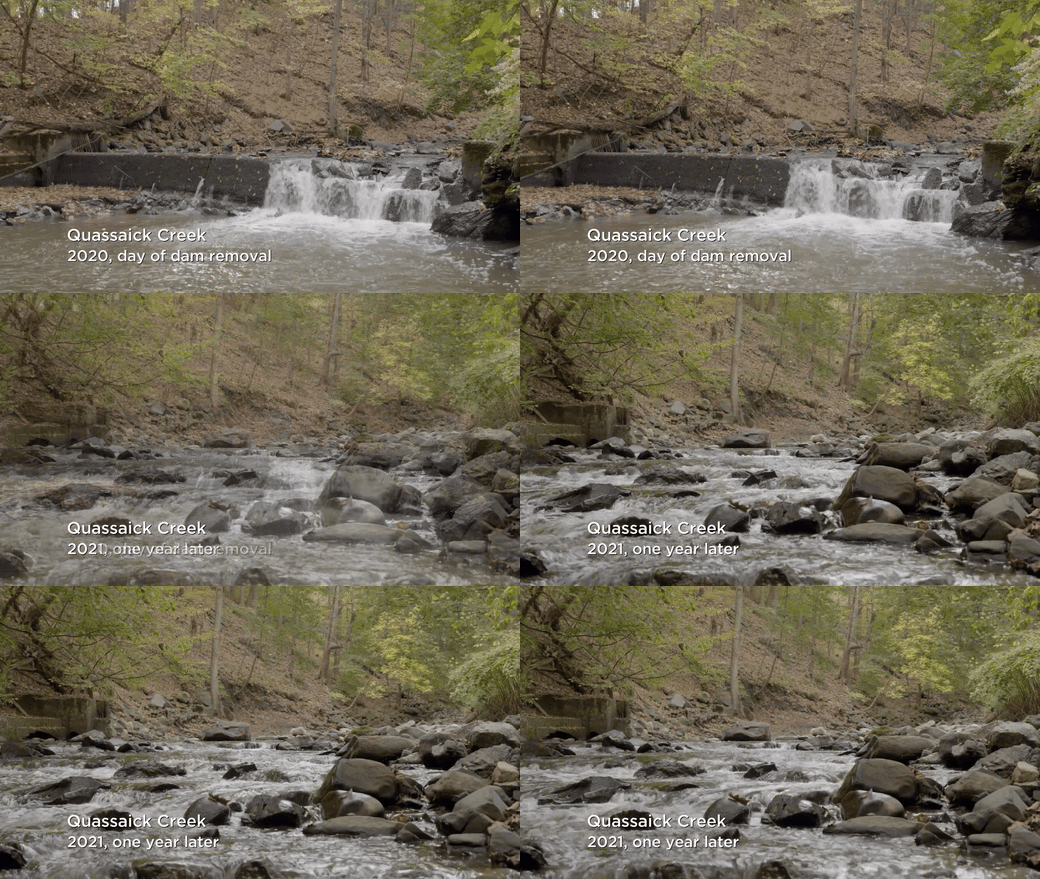
Why Remove a Dam?
Rivers and streams throughout New York have been modified by dams, which were originally built for a wide range of purposes. With changes in industrial and agricultural demands over time, many dams in New York no longer serve a constructive purpose. Without continued maintenance, these dams become derelict.
Removing an obsolete dam can provide a range of possible benefits for a dam owner, the local community, and the ecosystem. Below we explain why!
-
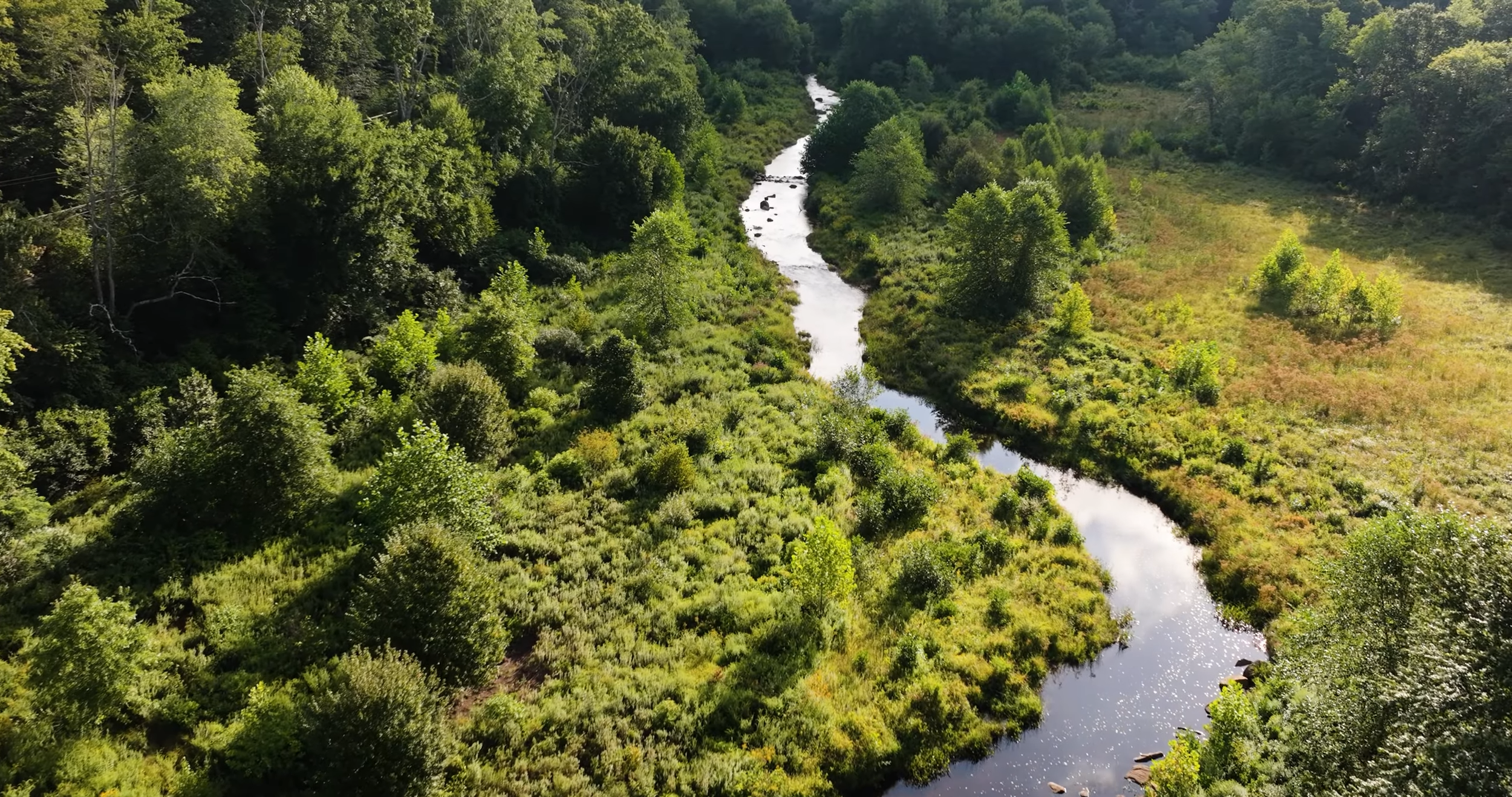
Restoration of Natural Hydrology
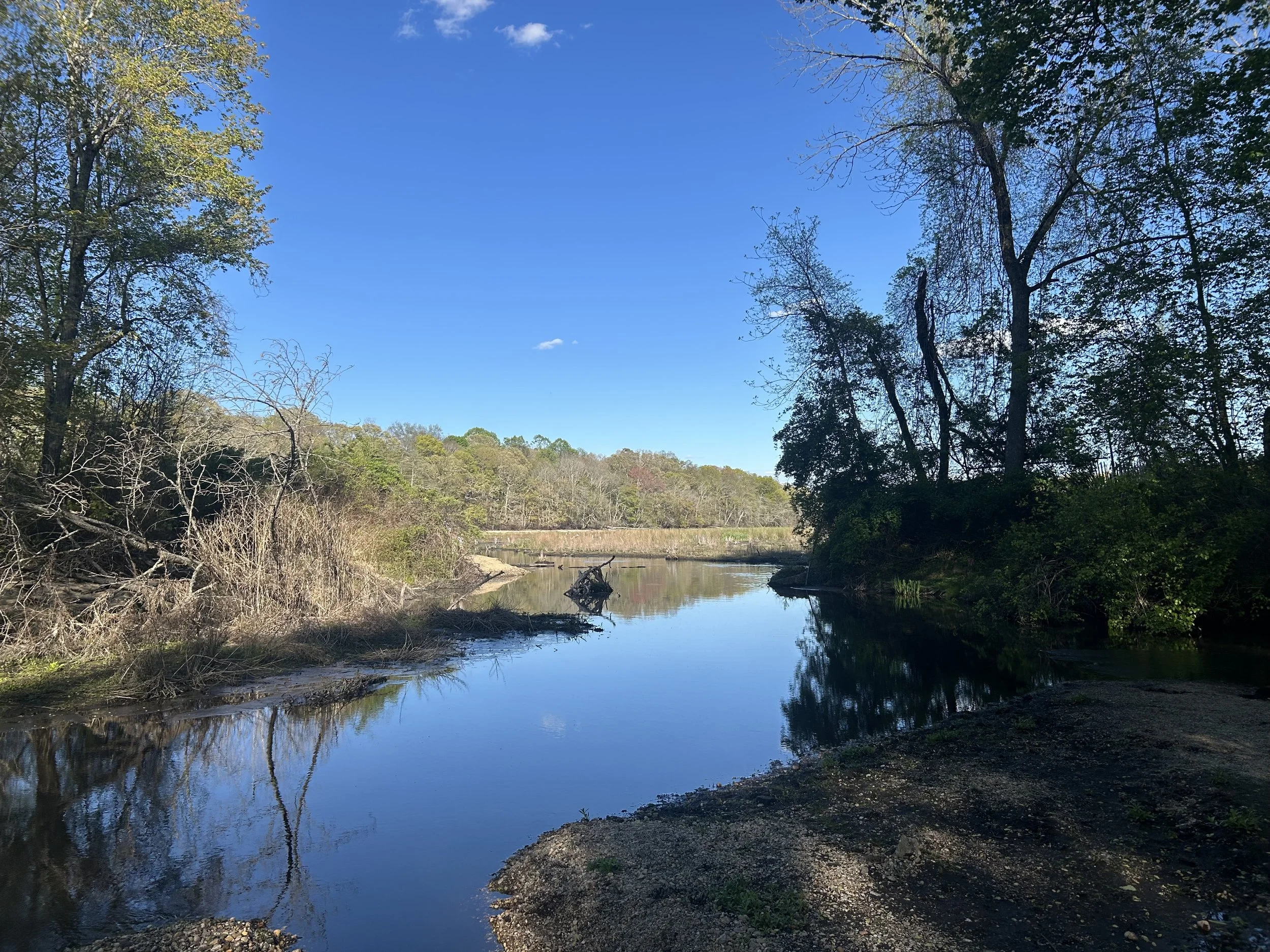
Removing a dam allows a stream to return to a more natural, free flowing condition. Restoring natural sediment flow can prevent stream incision and infrastructure collapses, and supports healthy river deltas and wetlands.
-
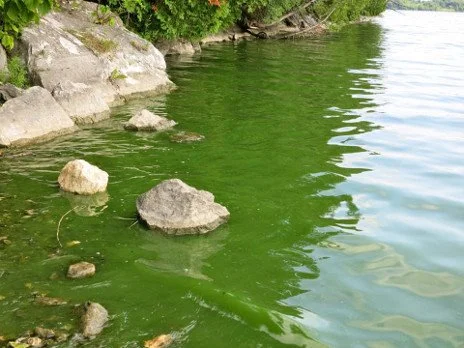
Improvement of water quality
Removing dams can improve oxygen levels, lead to cooler water temperatures which benefit fish and other aquatic species, and reduce conditions that cause harmful algal blooms.
-
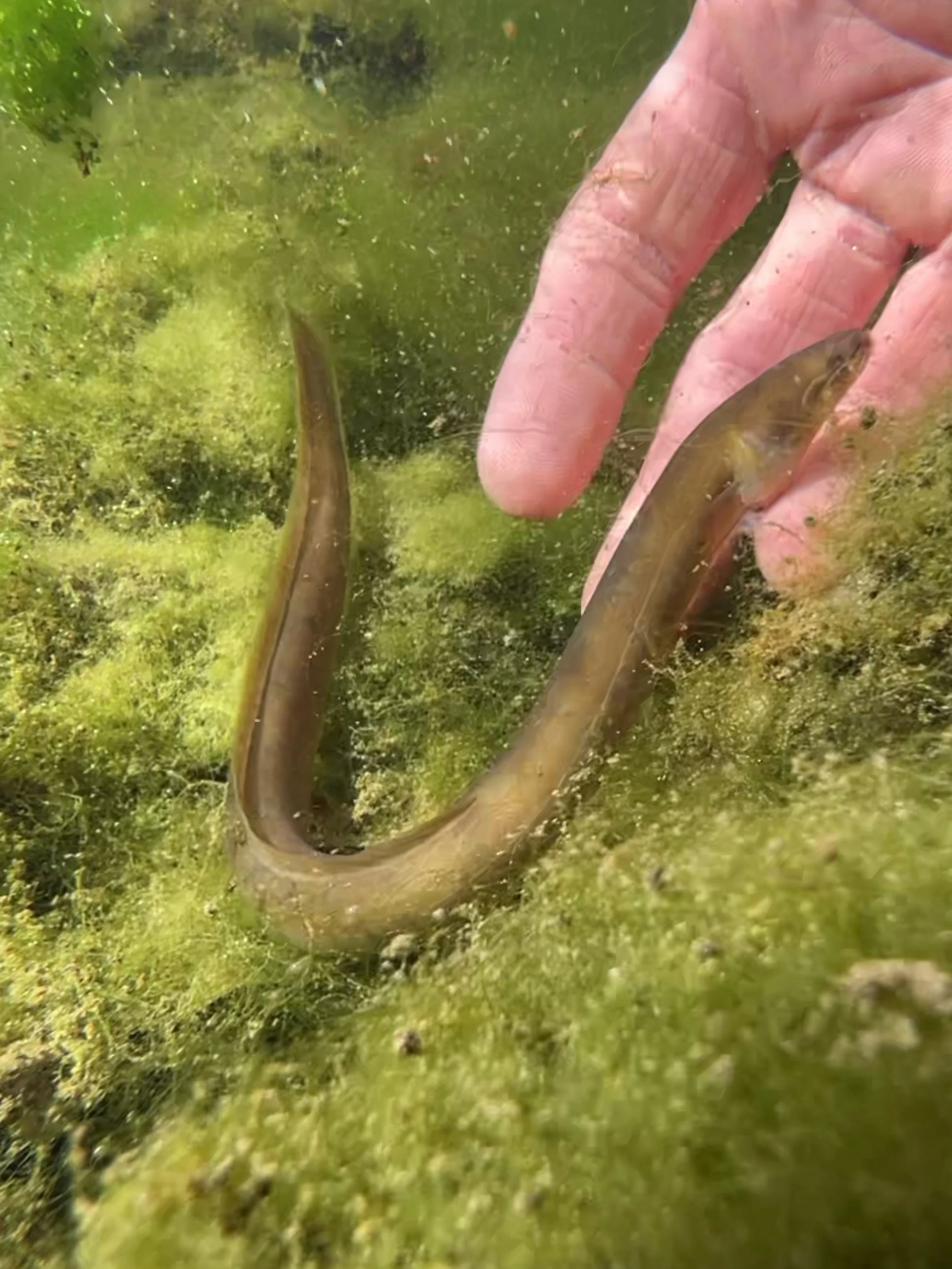
Restored connectivity for native species
Removing a dam can reduce or eliminate an obstacle or impediment to the movement of native fish such as redbreast sunfish, brook trout, or American eel.
-
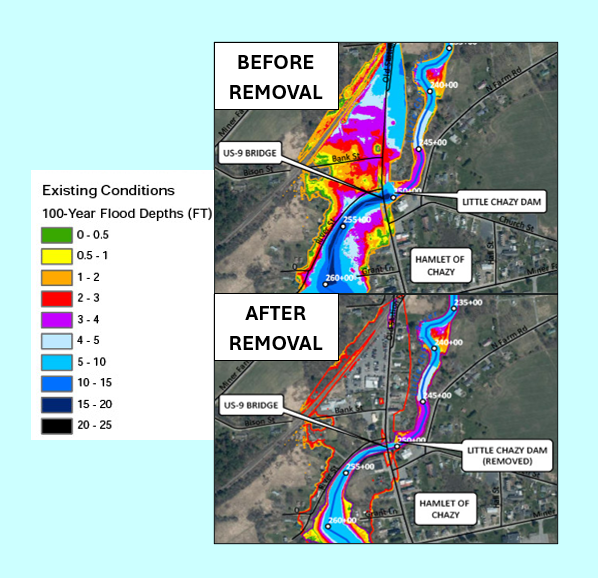
Reduction of flood risk and liabilities
Dam removal can reduce upstream and downstream risks of flooding and property damage, and reduce risks of loss of life from dam failure or hydraulic-jump drownings.
-
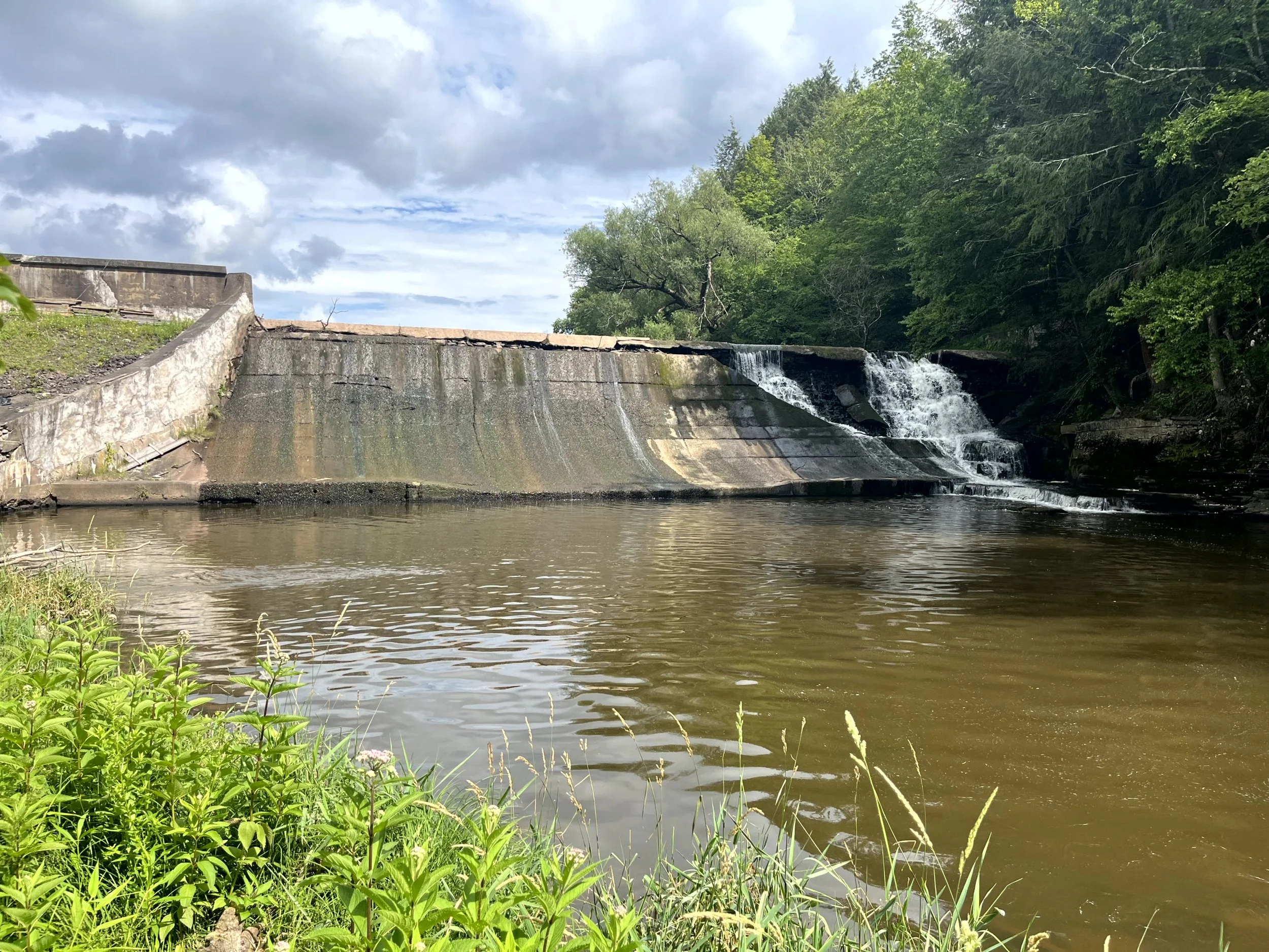
Elimination of Maintenance Costs
Financial costs of removal are often less than the costs of repairing a dam and continued costs of operating and maintaining the dam in a safe condition to ensure compliance with New York State’s dam safety regulations
What to Expect When a dam is removed
Removing a dam may result in some short- term impacts, like the migration of accumulated sediment downstream or turbid water. There may also be some effects to historical or recreational uses that need to be considered and addressed. However, these impacts are often strongly outweighed by the longer-term ecological benefits.
When a dam no longer serves a beneficial purpose, dam removal may be a less expensive option than repairs. Maintaining and removing a dam will necessitate the services of professionals, such as an engineer or hydrologist, with experience in dam removal.