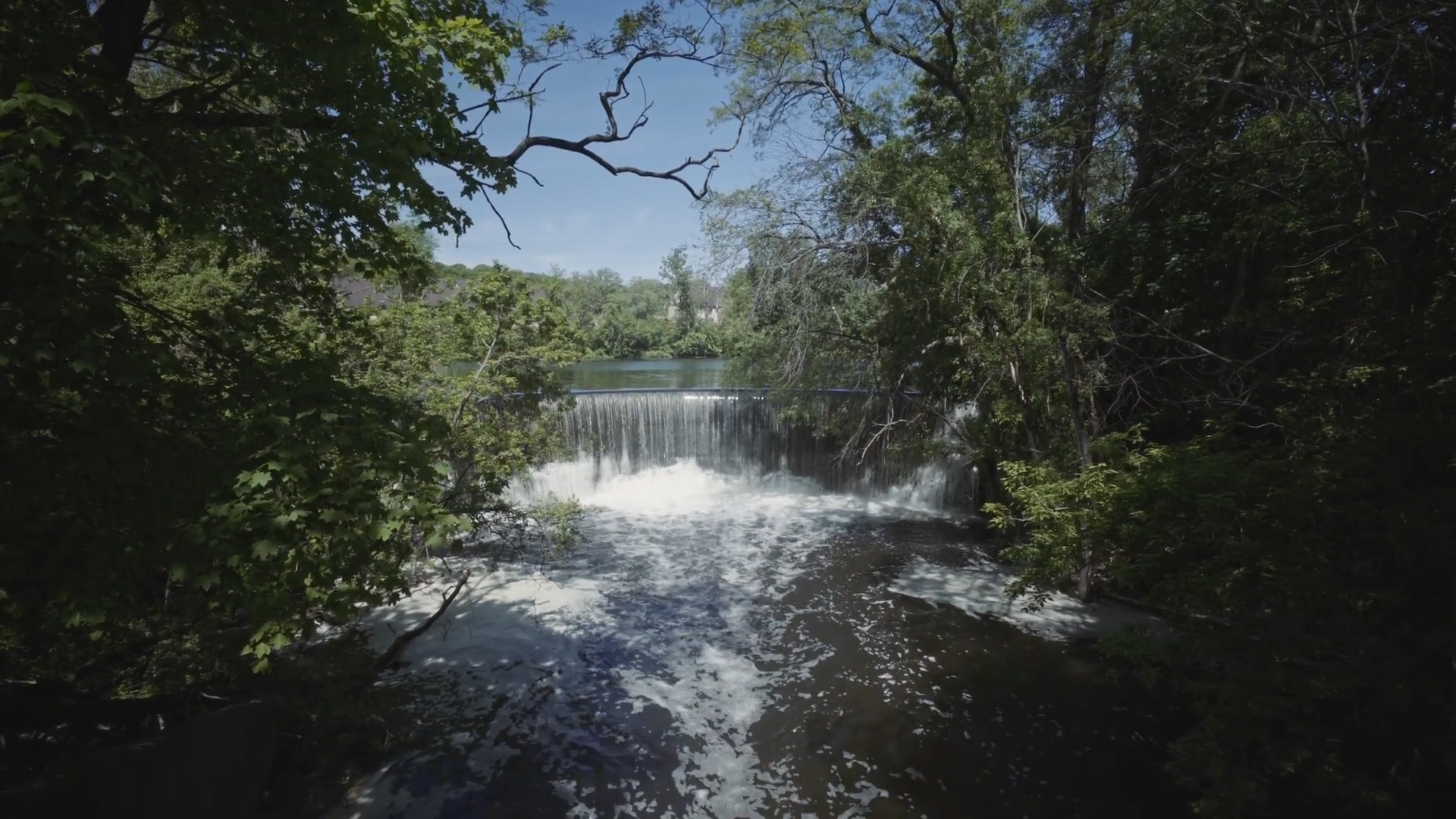
Dams in New York State
-
Some of New York State’s oldest dams were built to harness the physical energy of streams and rivers to operate machinery, like a grist or sawmill. Those dams were, and still are, made of wood, concrete, stone, soil, or a combination of those materials. As time progressed, dams were built for different purposes, such as water supply, flood control, navigation, hydroelectric, and recreation.
-
Pinpointing an exact number of dams in the state is surprisingly difficult! The Department of Environmental Conservation (DEC) maintains an inventory of dams located throughout New York State. According to DEC’s inventory, there are more than 7,300 recorded dams in New York. Another resource, the National Barrier Inventory database, contains 8,180 inventoried dams in New York State. Yet these figures are both likely lower than the actual number of dams in the state. Specifically, there are likely many more small, low-head dams in New York State than those that have been inventoried. For instance, a study published in 2022 analyzed two Hudson River tributary watersheds and found between 4 and 15 times more “unknown” dams than were officially documented by DEC.
-
In New York State, dams may be owned by local governments, the state government, or by private owners. A privately owned dam may be owned by a single homeowner, multiple property owners, or a homeowner association or other such entity.
Dams are categorized by hazard classification, which is based on the downstream damage that could occur if the dam were to fail. In New York, most high hazard dams are owned by local governments, and most low and intermediate hazard dams are privately owned. All dams, even the smallest, need to be regularly inspected and maintained. New York State’s dam safety regulations require more stringent technical and regulatory standards for larger dams that may pose a risk to downstream infrastructure and people.
-
Some dams still serve their original purpose. Others now serve different purposes, including providing recreational opportunities or aesthetic benefits.
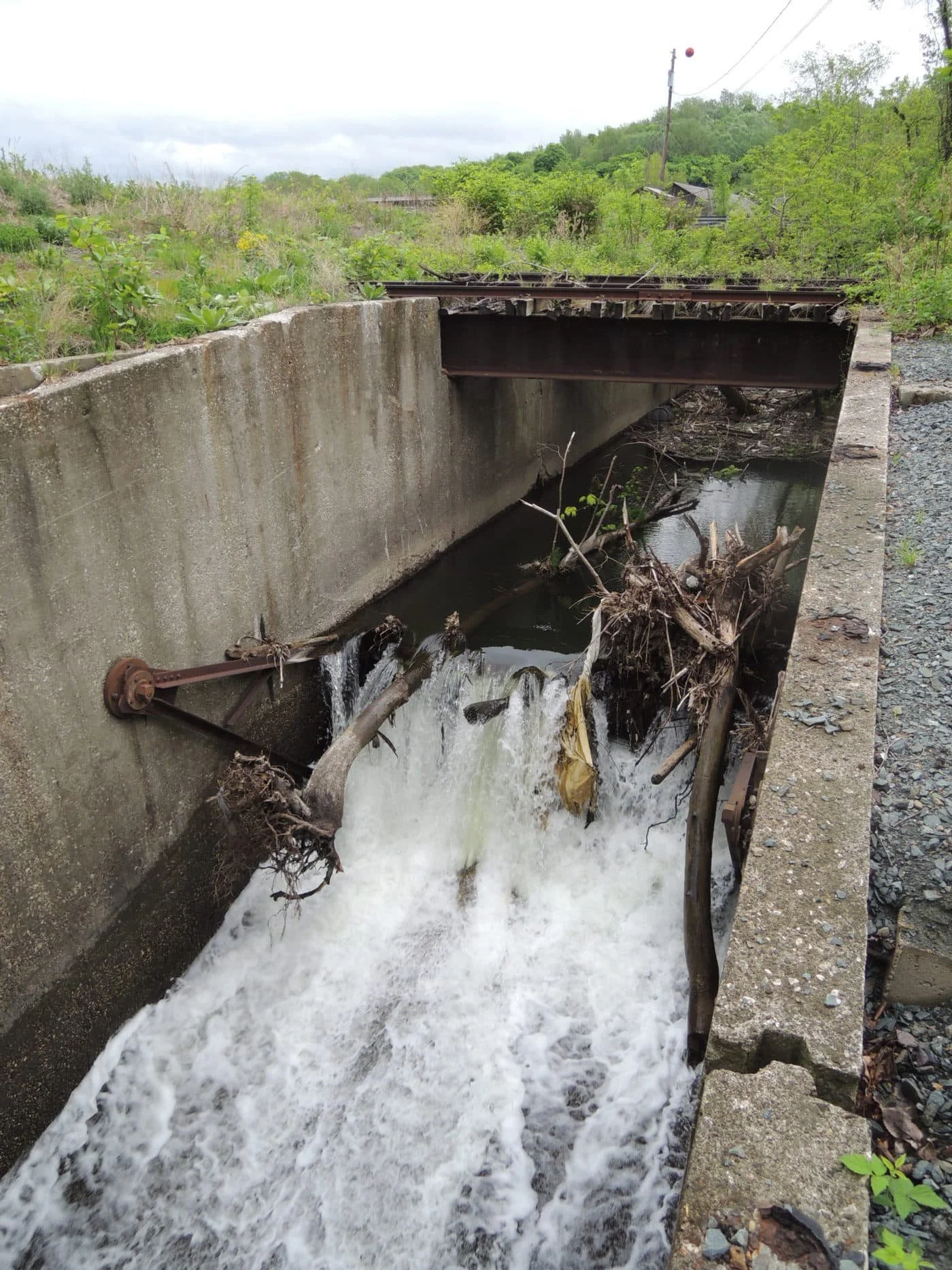
As industrial and agricultural demands have changed over time, many dams in New York and across the country no longer serve any constructive purpose. Without continued maintenance, these dams become derelict.
-
According to the American Rivers Removed Dams database, 51 dams have been removed in New York State since 1912. While progress is being made on dam removals in New York, our neighboring states Massachusetts, Pennsylvania, and Vermont were the top states for dam removal in 2025!
Dam removal is a stream restoration opportunity that is gaining momentum throughout the United States. Dam owners and communities in New York State should consider removal as a possible option given the host of benefits to owners, communities, and ecosystems.
Myths about dams
-
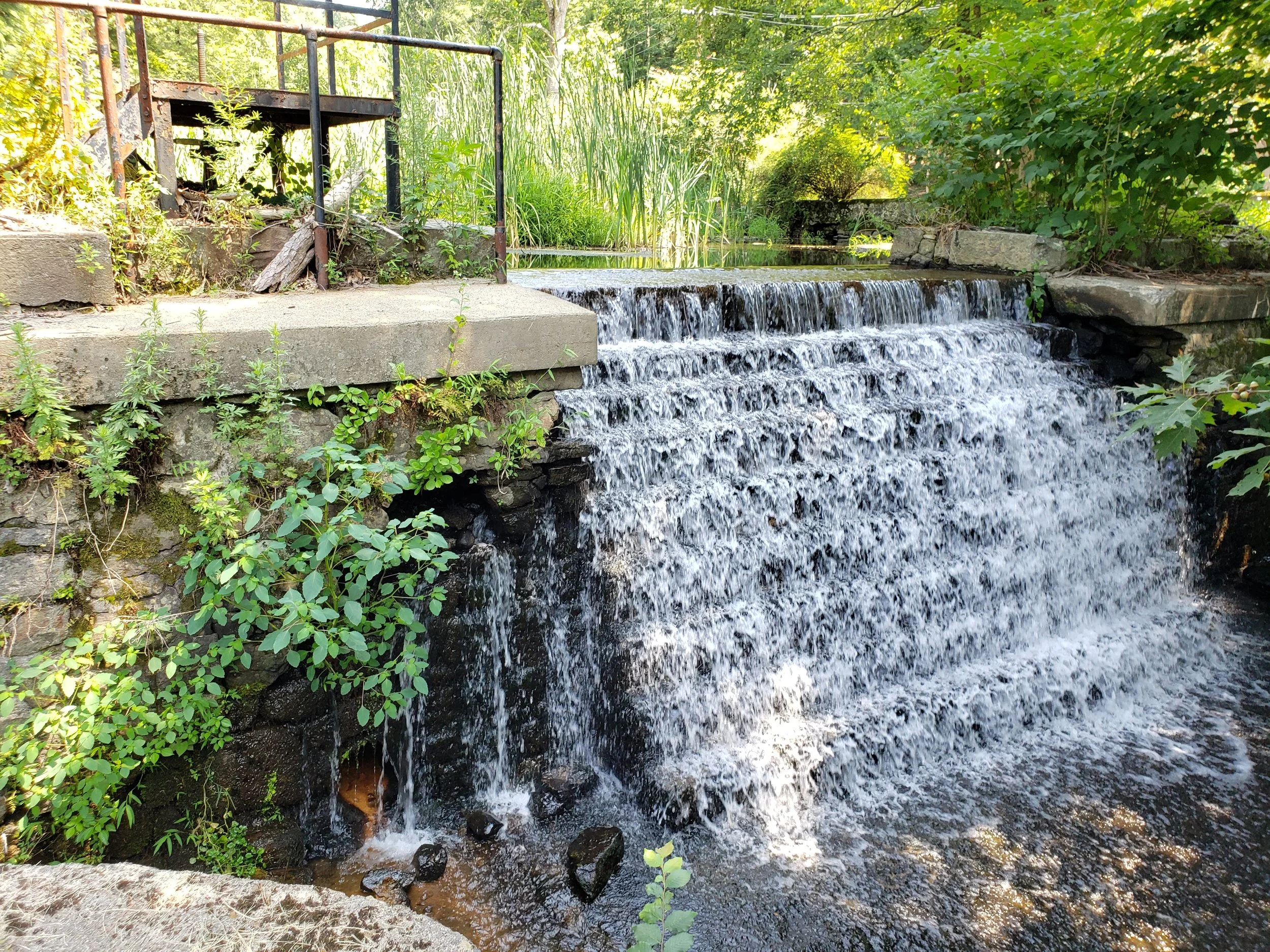
To some, dams might appear to be waterfalls, but they aren’t the same thing. This publication by The Nature Conservancy illustrates the differences.
A waterfall is a naturally occurring cascade of water formed when a river or stream flows over a steep rock or cliff. Unlike dams, waterfalls do not cause unnatural and sudden changes in the environment (e.g., changing water elevations). A dam is an artificial barrier constructed to restrict the flow of water. When a dam is built on a river, it instantly alters the local ecosystem. Dams slow the natural flow of water, which can have many impacts on fish and other species by altering water temperature and quality.
-
In heavy rainfall or flooding, dams designed with excess storage capacity for flood control may hold back some of the water flowing downstream, reducing risks to downstream people and property. However, the majority of dams in New York were not designed to function as flood control structures. Of the 5380 dams in the NY State Dam Inventory, only 330 dams (or, 5.5% of dams in the inventory dataset) have “Flood Control and Storm Water Management” recorded as a listed purpose. Many dams in New York are ‘run-of-the-river’ dams, which are designed to hold relatively stable water levels in an impoundment, but essentially don’t change the volume of water from up to downstream.
-
The average age of regulated dams in New York State is approximately 86 years old. As dams age, they deteriorate and pose a higher risk of failure. Dams are like any other piece of human infrastructure that requires maintenance to maintain longevity and use. While New York State does not require a permit to operate a dam, the State dam safety regulations require the owner of certain types of dams to regularly inspect, maintain, repair, provide emergency action planning, and retain an engineer to periodically assess the dam. Failure to comply with these safety regulations can result in compliance and enforcement actions against the owner.
-
Many people grow up visiting their local recreational pond or lake and may believe that these bodies of water have always been a part of the ecosystem, but that’s not always the case. Often, what is thought to be a natural lake is actually a reservoir. A reservoir is an artificial lake that is created when a dam is built on a river or stream. Although reservoirs may have thriving ecosystems, they often host many non-native or invasive species that can outcompete native species for food and habitat.
-
Beaver dams and human-built dams differ greatly in their structure and dynamic nature, resulting in differing impacts on the movement of water, sediment, and aquatic organisms through the stream or river. This factsheet highlights several key differences, including impacts on the movement of water, sediment, and aquatic organisms.